Introduction
Marketing strategy is an extension of your overall business strategy.
It’s the rationale that informs all future marketing decisions. In addition to defining your company’s goals, your completed strategy also details the messaging and channels you’ll use to achieve these desired outcomes. A successful marketing strategy is based on your most up-to-date company vision, while also considering your brand identity and messaging.
overview
What’s included in a marketing strategy?
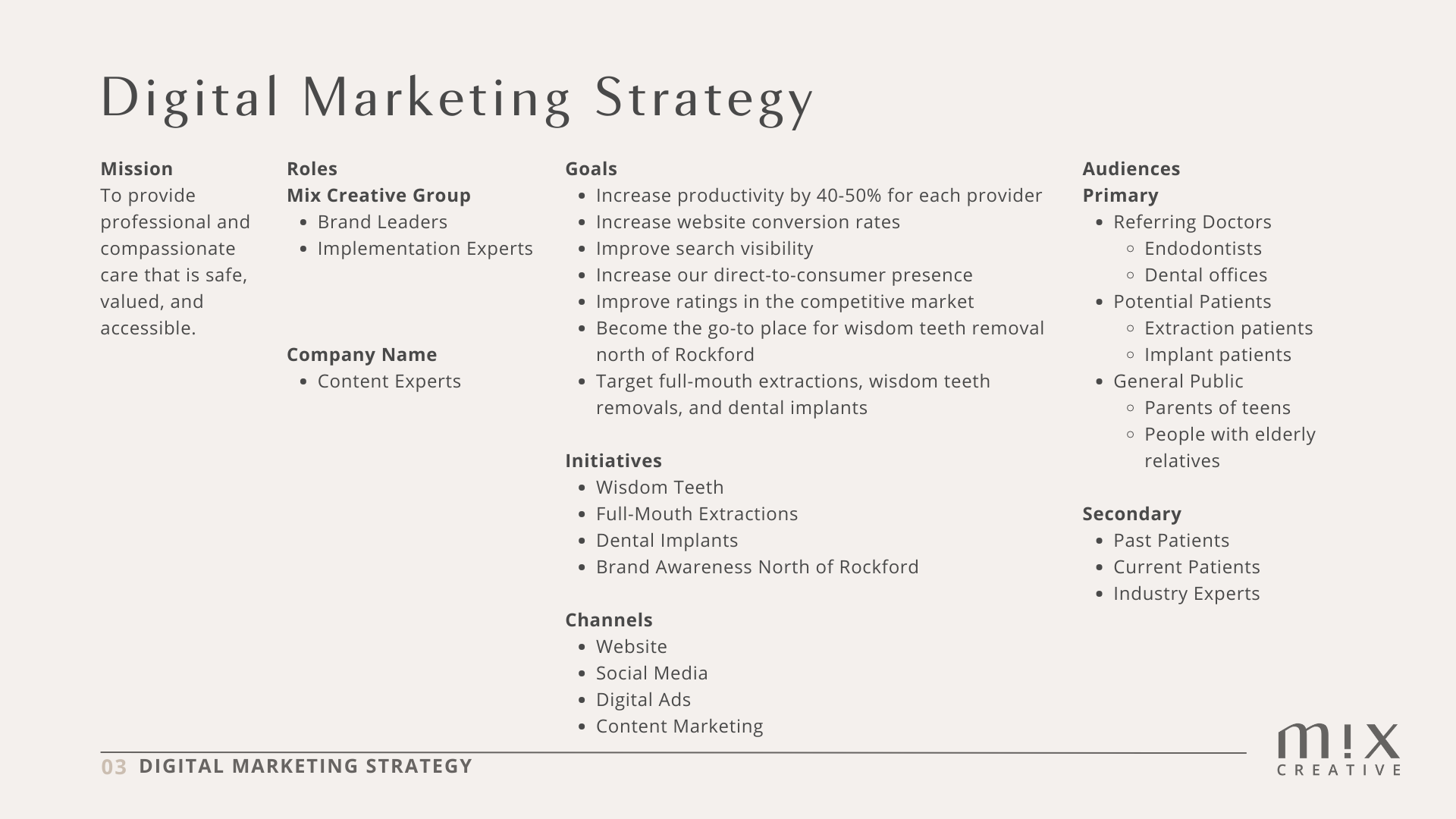
1. Company Vision + Goals
Define the desired outcome of your work
Share short and long-term business goals
2. Market Analysis
Evaluate market size
Identify market trends
Pinpoint gaps in the market
3. Target Audience
Define and learn about the target market
4. Competitor Analysis
Identify and assess possible competition
5. Branding + Messaging
Solidify your brand identity
Articulate differentiators
Craft unique messaging
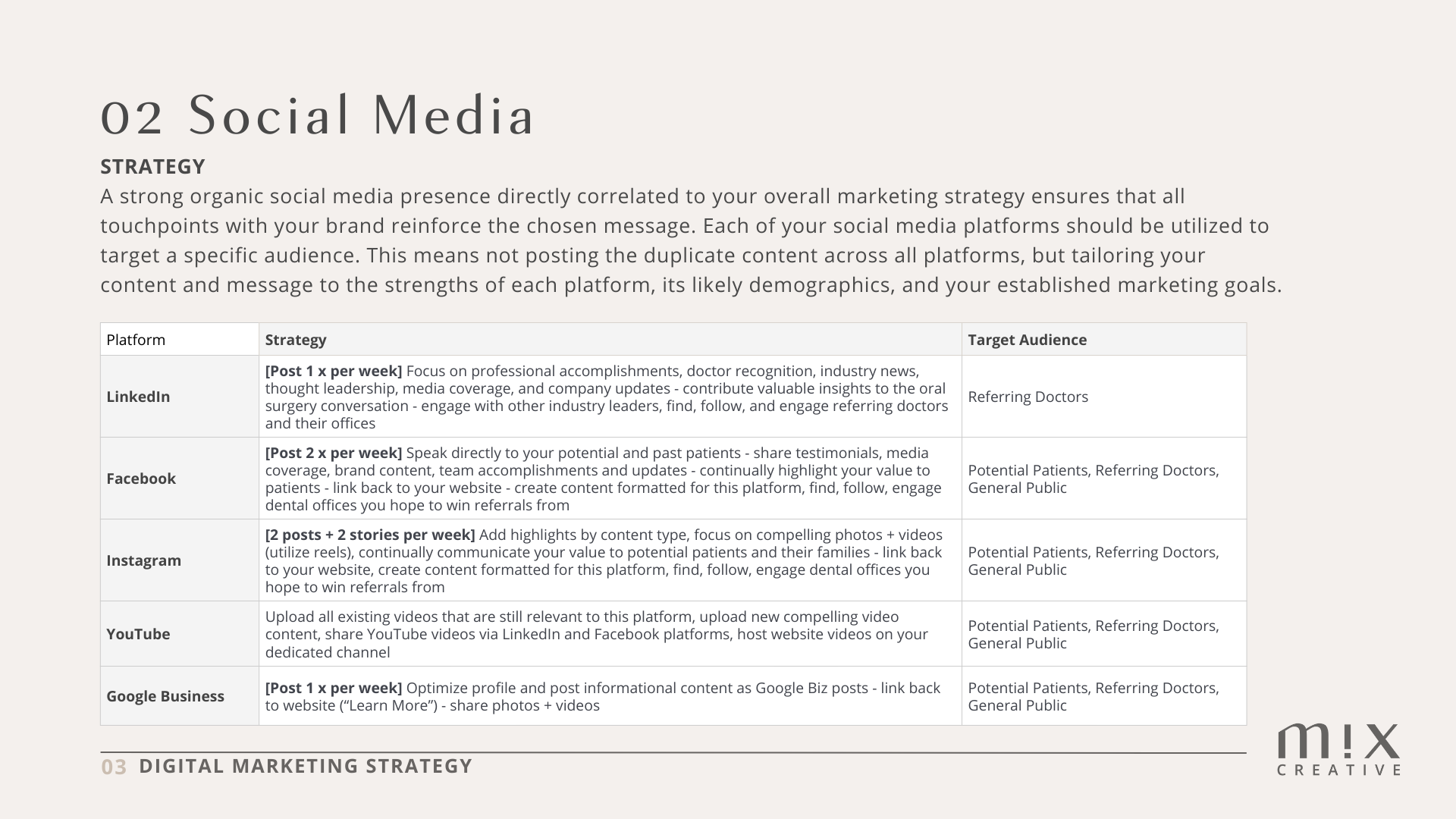
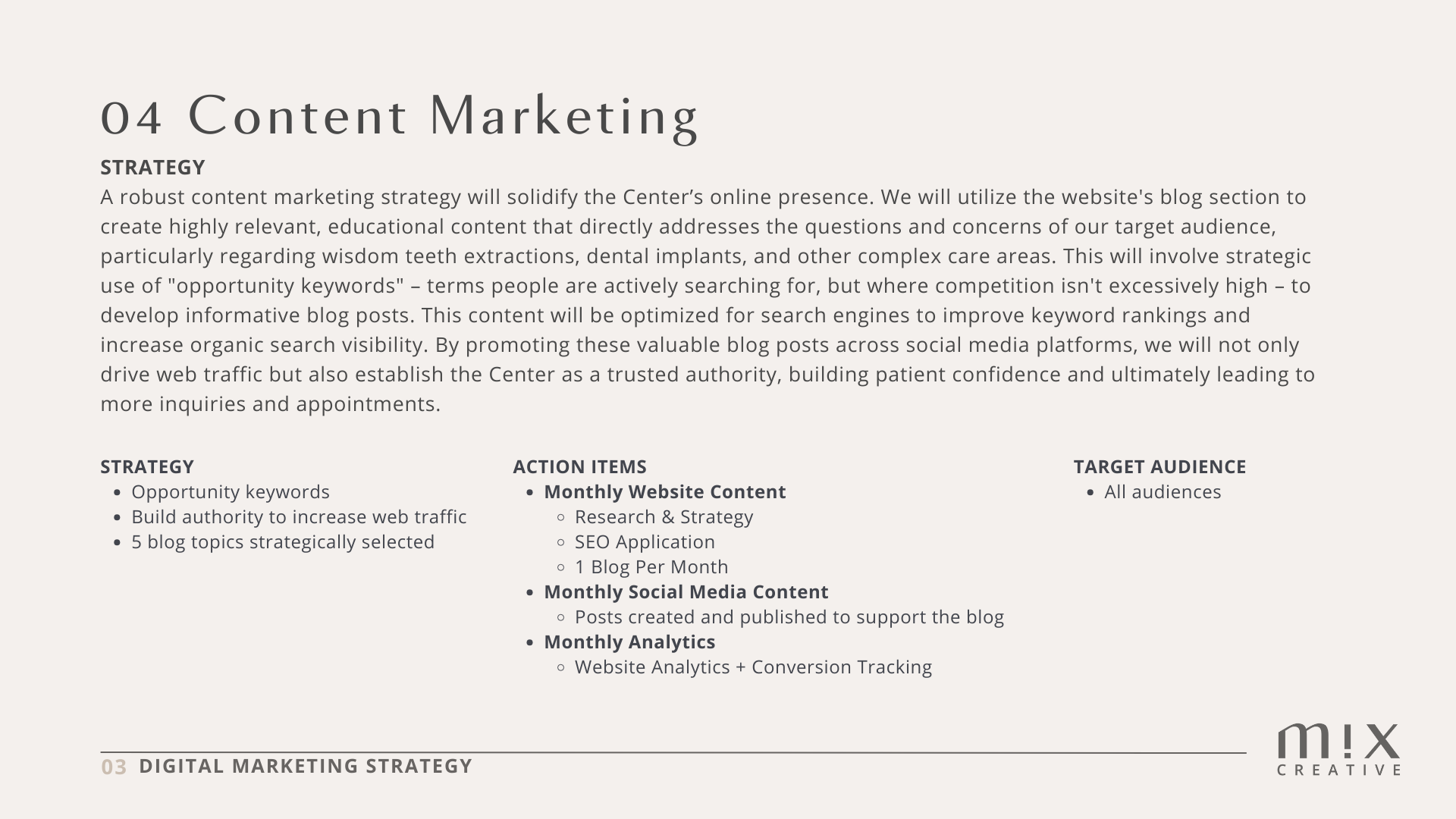
6. Relevant Marketing Channels
Choose the platforms and modes of communication that best suit your strategy


marketing strategy
What’s the difference between a marketing strategy and a marketing plan?

A marketing strategy provides the data to support your brand’s chosen approach to the marketplace. A marketing plan, on the other hand, is an actionable list or timeline of upcoming marketing initiatives, projects, and campaigns. These initiatives are carefully crafted in accordance with your established strategy, designed to achieve your business goals over a defined period of time.
Why is it important to establish a strategy before creating a plan?
Without a strategy, you risk drastically reducing the effectiveness of your marketing efforts. By taking the time to conduct research on the marketplace, competition, and target demographics, along with clearly defining your business goals, you ensure that your marketing efforts are executed with purpose. A good strategy makes it easier to measure the success of your investment.
Having a strategy helps you:
Reach your target audience.
One of the most compelling reasons to develop a marketing strategy is to connect with the right people. To craft persuasive messaging, you need to identify your customers—who they are and what they want from your business. This research allows you to discover the most effective ways to reach and impact your intended audience.
Spend money in the right places.
Let’s face it: when it comes to connecting with customers, there are an overwhelming number of marketing channels to choose from. In addition to traditional methods, such as print and TV advertising, there are numerous digital marketing options, including social media, Pay-Per-Click (PPC) advertising, email marketing, and more. The data discovery involved in a marketing strategy helps you understand where to invest your marketing spend for maximum return.
Stay consistent.
When you’re building your brand and attempting to reach new customers, consistency is key. Your messaging and visuals across all channels should always align with your company's overall identity. A marketing strategy provides guidelines, ensuring that the message you deliver is clear, consistent, and recognizable.
Measure outcomes.
A good strategy demands that you set goals. Once these goals are in place, you can begin measuring the effectiveness of your efforts. Metrics gathered may include return on investment (ROI), engagement, or conversion rates. These insights will prove invaluable as you refine and improve your marketing efforts over time.
marketing plan
If I have a marketing strategy, do I really need a marketing plan?
The short answer is: yes. Having a strategy is vital, but a strategy without a plan is like a recipe without food! Creating a detailed plan not only gives you a timeline for achieving goals but also makes everyone’s life easier.
A solid marketing plan saves time and money, ensures consistency, and allows for a holistic approach.
Establishing a plan helps you avoid missing important messaging opportunities and, crucially, you have a much better chance of staying on budget. This process is proactive, rather than reactive. It gives your business the ability to shape the customer experience and your team the time they need to craft truly excellent content.
What’s included in a marketing plan?
1. Budget
2. Objectives
3. Messaging
4. Descriptions of individual campaigns
5. Tactics, timelines, and task assignments
6. Instructions and deadlines for execution

conclusion
Are you ready for a more strategic approach to marketing your business?
At Mix, we’re all about the big picture. We ask questions, pushing to better understand your company’s overarching goals. This approach ultimately enables our team to deliver the best and most effective end results—results that can be measured.

Get Started With the Mix Creative Group Team
Our team is ready to strategically empower your business to grow.